
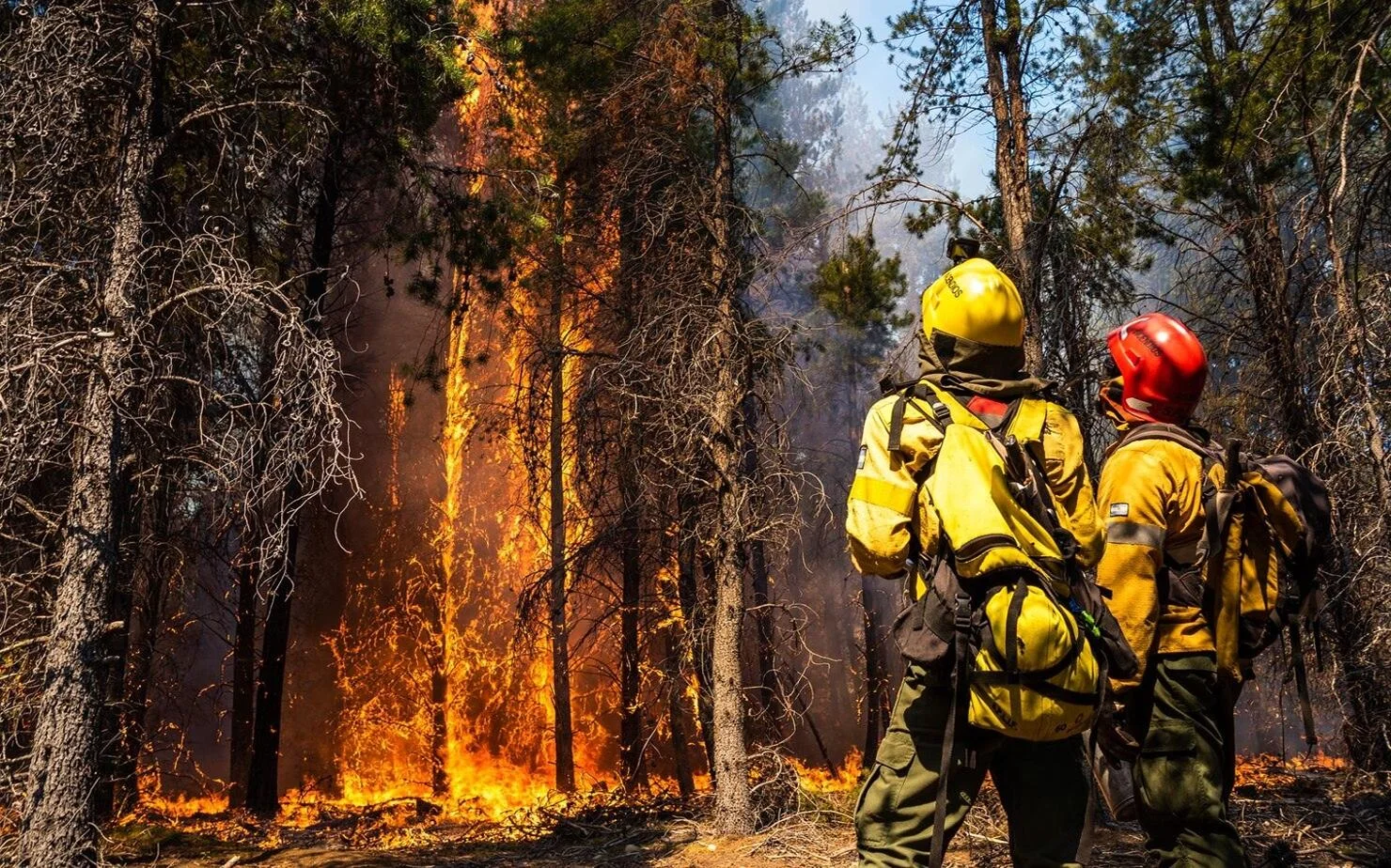
Living in bushfire-prone areas of New South Wales demands a proactive approach to home safety. Home upgrades that incorporate fire-resistant materials, ember-proofing, defensible space, and resilient landscaping are crucial for reducing bushfire risk. These strategies not only improve the safety of a property but also contribute to compliance with state building codes and standards. A trusted resource such as Resilient Bushfire Solutions provides guidance for homeowners looking to implement these changes effectively.
This comprehensive guide explores the most effective fire-resistant materials and design strategies that genuinely improve home resilience against bushfires.
Why Fire-Resistant Upgrades Are Essential
In bushfire-prone regions, traditional building materials and landscaping choices can increase the risk of ignition and fire spread. Flying embers, radiant heat, and direct flame contact are the primary threats that can compromise a home. Research shows that embers are responsible for the majority of property losses during bushfire events, often entering homes through vents, gaps, and weak points.
By upgrading to fire-resistant materials, sealing vulnerable openings, and designing landscapes strategically, homeowners can create layers of defence. These measures significantly increase the chances of a property withstanding bushfire impact while providing safer conditions for occupants.
Fire-Resistant Materials for Key Home Components
Roofing
- Use non-combustible roofing materials such as metal sheets or tiles rated for bushfire zones.
- Seal gaps at roof junctions to prevent ember entry.
- Install leaf guards to reduce debris buildup in gutters.
External Walls
- Opt for brick, concrete, fibre cement, or rammed earth, which have higher resistance to fire.
- Avoid lightweight timber cladding in bushfire-prone areas.
- Apply fire-rated render or coatings where appropriate.
Windows and Glazing
- Install toughened or double-glazed windows.
- Fit aluminium or steel window frames with ember seals.
- Use shutters made from non-combustible materials for added protection.
Doors
- Choose solid core, fire-rated external doors.
- Fit weather strips and ember seals around frames.
- Ensure sliding doors are made with toughened glass and metal framing.
Decking and Flooring
- Replace timber decking with fire-resistant alternatives such as composite boards or concrete.
- If timber is used, select bushfire-resistant hardwoods and maintain spacing between boards.
- Enclose subfloor areas to prevent ember accumulation.
Why it Matters: These material choices slow down or prevent fire spread, reduce ember entry points, and enhance the structural survival of a property.
Ember-Proof Vents and Openings
Embers are a leading cause of home ignition during bushfires. Ember-proofing involves installing protective systems to stop embers from penetrating vents, eaves, and other openings.
Key Ember-Proofing Strategies:
- Use ember-proof vents with mesh openings no larger than 2 mm.
- Fit metal mesh screens on windows, doors, and roof vents.
- Seal gaps in eaves, roof junctions, and wall joints.
- Block underfloor access points where embers can accumulate.
Why it Matters: Small gaps and vents can be the weakest link in a home’s defence. By securing them, homeowners address one of the most common ignition pathways.
Creating Defensible Space Around the Home
A defensible space is an area surrounding a home where vegetation and materials are managed to reduce fire intensity. This zone helps slow the spread of fire and provides safe areas for occupants and firefighters.
Defensible Space Measures:
- Maintain a clear zone immediately around the home by removing leaf litter, dry grass, and flammable debris.
- Keep shrubs and trees pruned to reduce fuel loads.
- Store firewood, gas bottles, and flammable items away from structures.
- Install non-combustible surfaces, such as gravel paths, around the house perimeter.
Why it Matters: Defensible space provides a crucial buffer that can stop bushfires from reaching structures while giving emergency crews safe access to defend the property.
Resilient Landscaping for Bushfire-Prone Areas
Landscaping decisions strongly influence bushfire resilience. Strategic placement of plants and the use of low-flammability species can reduce risks.
Landscaping Recommendations:
- Select fire-resistant plants such as succulents, native grevillea, and bottlebrush.
- Avoid resinous species like pine, eucalyptus, and cypress near buildings.
- Break up vegetation with non-flammable features like stone walls or gravel paths.
- Maintain separation between tree canopies and ensure branches do not overhang roofs.
- Regularly water lawns and garden beds to reduce flammability.
Why it Matters: Resilient landscaping not only adds aesthetic value but also forms part of a home’s fire defence system, reducing flame contact and ember ignition pathways.
Table: Fire-Resistant Upgrades for Bushfire Safety
Home Component | Recommended Upgrades | Benefit |
Roofing | Non-combustible materials, sealed gaps, gutter guards | Prevents ember entry and reduces risk |
External Walls | Brick, concrete, fibre cement, fire-rated coatings | Slows fire spread and enhances strength |
Windows & Glazing | Toughened/double-glazed, ember seals, shutters | Reduces heat and ember penetration |
Doors | Fire-rated doors, metal frames, ember seals | Strengthens external access points |
Decking & Flooring | Composite or concrete, enclosed subfloors | Limits ember buildup and ignition risk |
Vents & Openings | Ember-proof vents, mesh screens, sealed joints | Blocks common ember entry pathways |
Defensible Space | Cleared zones, reduced fuel loads, non-combustible paths | Creates buffer and firefighting access |
Landscaping | Fire-resistant plants, spacing, fuel breaks | Reduces ember travel and flame spread |
The Role of Expert Guidance
While homeowners can implement many upgrades independently, expert guidance ensures that all measures comply with regulations and are integrated effectively. A bushfire planning practitioner can assess site-specific risks, recommend tailored fire-resistant materials, and guide landscaping decisions. This professional support is especially valuable when balancing safety with design preferences.
For property owners in NSW, consulting a qualified bushfire practitioner is often essential to meet approval requirements and to ensure long-term resilience.
Conclusion
Upgrading a home with fire-resistant materials, ember-proofing, defensible space, and resilient landscaping is an essential investment in safety for those living in bushfire-prone areas of NSW. These strategies not only protect structures but also safeguard the lives of occupants and support community-wide resilience.
By combining thoughtful design with durable materials, homeowners can create properties that are better equipped to withstand bushfire threats. For those seeking tailored guidance, engaging a bushfire planning practitioner ensures that upgrades are both effective and compliant with NSW regulations.