
Introduction
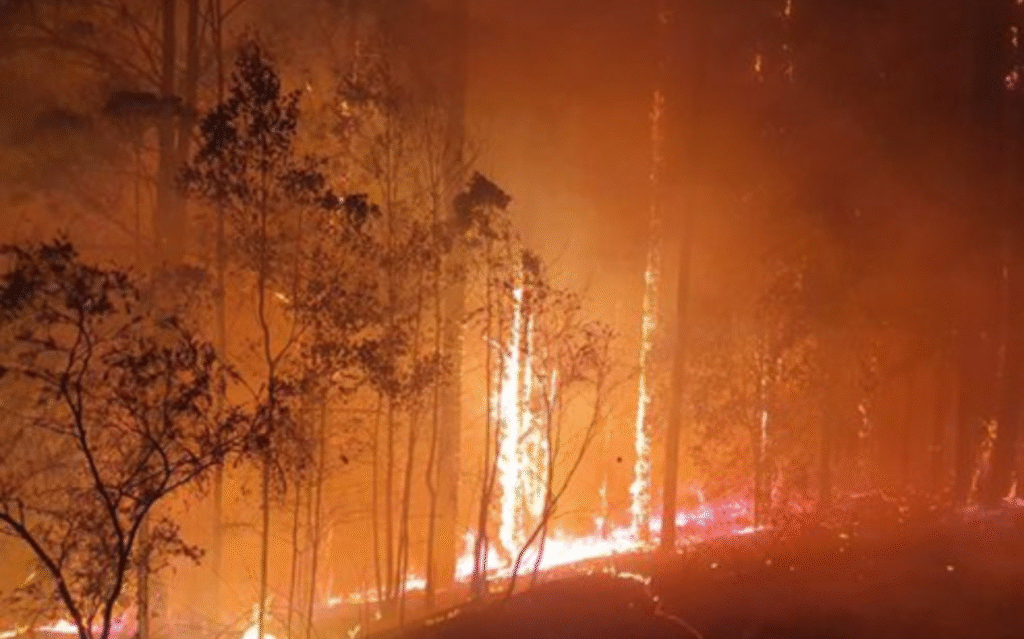
Living in Wollongong’s beautiful coastal and bushland regions comes with a unique set of challenges, particularly the growing risk of bushfires. Homeowners in these areas need to take proactive measures to safeguard their properties and families.
A bushfire risk assessment in Wollongong provides a detailed understanding of your property’s vulnerabilities, helping you implement strategies to reduce fire risk and ensure compliance with NSW planning and construction standards.
This guide explains how a professional bushfire risk assessment works, what it includes, and practical steps you can take to enhance your home’s bushfire resilience.
What Is a Bushfire Risk Assessment?
A bushfire risk assessment is a comprehensive process that identifies potential fire hazards around your property and determines its overall bushfire attack level (BAL). The assessment considers several factors — vegetation, slope, wind direction, and proximity to bushland — to calculate the likely intensity of a bushfire if one were to occur nearby.
For Wollongong homeowners, this assessment is not only a safety measure but also a requirement under state planning policy for building or renovating in bushfire-prone areas.
By understanding your property’s BAL rating, you can make informed decisions about building materials, landscaping, and emergency planning.
Key Components of a Bushfire Risk Assessment in Wollongong
Site Hazard Evaluation
Professionals analyze your property’s terrain, vegetation type, and distance from natural fuel sources. Wollongong’s varied landscape — from coastal bushland to escarpment slopes — demands localized expertise to accurately identify fire behavior risks.
Asset Protection Zone Planning
Creating defensible zones around your property significantly reduces the likelihood of fire spreading to your home. These zones are established through vegetation management, clear setbacks, and fuel reduction practices.
Compliance with State Planning Policy
Assessments ensure your property meets NSW state planning and building standards for bushfire-prone areas. Compliance prevents costly issues with insurance and local council approvals.
Steps to Improve Bushfire Resilience in Wollongong
Step 1: Assess Your Property
Start with a professional bushfire risk assessment to identify potential hazards. Knowing your property’s weak points allows you to take targeted action—like clearing combustible vegetation or upgrading materials.
Step 2: Design Defensible Spaces
Structure your landscape into zones:
- Zone 1 (0–5m): Keep this area clear of flammable debris and use non-combustible surfaces.
- Zone 2 (5–10m): Maintain spacing between trees and shrubs to slow fire spread.
- Zone 3 (10–30m): Regularly prune trees and clear undergrowth to create open space.
Step 3: Upgrade to Fire-Resistant Materials
Use ember-proof vents, metal gutter guards, and non-combustible cladding. These materials meet NSW standards and significantly reduce ignition risk.
Step 4: Maintain Your Property
Regular maintenance is crucial—clean roofs and gutters, check vents for blockages, and ensure all vegetation management is up to date before summer.
Step 5: Prepare an Emergency Plan
Have a clear, practiced evacuation plan. Identify safe meeting points, establish communication strategies, and prepare emergency kits in advance.
Benefits of a Professional Bushfire Risk Assessment
- ✅ Improved Property Safety: Identify and mitigate high-risk areas effectively.
- ✅ Regulatory Compliance: Meet all local and NSW state bushfire safety standards.
- ✅ Insurance Readiness: Demonstrate proactive fire safety for insurance requirements.
- ✅ Enhanced Resilience: Use expert advice to reduce ignition risks and improve fire resistance.
- ✅ Peace of Mind: Know that your home and family are protected by a structured safety plan.
Bushfire Safety Tips for Wollongong Homeowners
- Regular Property Inspections: Check your roof, gutters, and vents for debris.
- Smart Landscaping: Use native, fire-retardant plants and maintain safe spacing.
- Community Collaboration: Coordinate preparedness plans with neighbours to strengthen collective resilience.
- Stay Informed: Monitor NSW RFS alerts and weather updates during fire season.
- Emergency Kit Essentials: Include protective gear, first aid, important documents, and water supplies.
Conclusion
A bushfire risk assessment in Wollongong is more than a compliance requirement—it’s an essential step toward creating a safer, more resilient home. With professional evaluation, smart design, and regular maintenance, you can significantly reduce the likelihood of bushfire damage and ensure peace of mind throughout the fire season.
CTA:
Contact Resilient Bushfire Solutions today for a professional bushfire risk assessment in Wollongong and start strengthening your property’s fire resilience today.
FAQ
Q1: What does a bushfire risk assessment include?
A: It covers vegetation analysis, slope, building design, and proximity to bushland to determine your property’s BAL rating and recommend mitigation measures.
Q2: Is a bushfire assessment report mandatory in Wollongong?
A: Yes. Properties in designated bushfire-prone areas must undergo an assessment for new developments, renovations for Development Assessments in accordance with s4.14 of EPA Act 1979.
Q3: How can I make my home more fire-resistant?
A: Use non-combustible materials, maintain defensible zones, and follow professional recommendations from your risk assessment.
Q4: Who conducts bushfire risk assessments?
A: Accredited bushfire consultants, such as Resilient Bushfire Solutions, are qualified to perform detailed assessments in Wollongong and surrounding regions.