
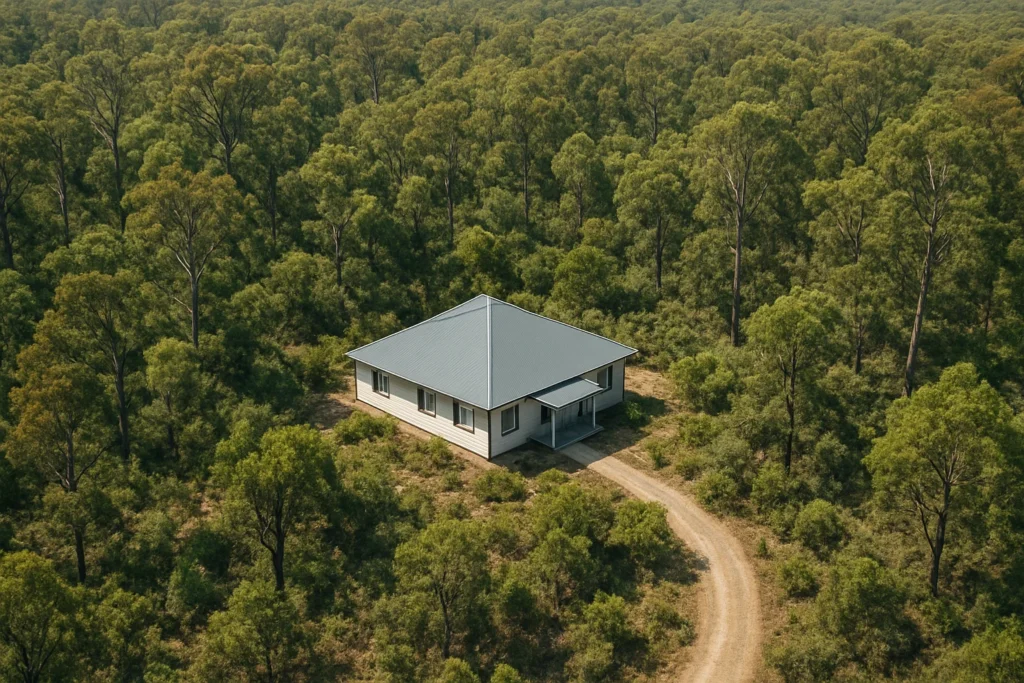
Property development in bushfire-prone areas comes with strict planning and compliance requirements. For builders and land developers, delays in approvals can increase project costs, extend timelines, and create unnecessary stress. One of the most effective ways to simplify this process is through a professionally prepared bushfire report.
A detailed report does more than meet council requirements. It helps identify risks early, supports safer design decisions, and provides clear documentation for planning authorities. Whether you are planning a residential subdivision, a new dwelling, or a commercial project, the right bushfire documentation can significantly improve the approval process.
At Resilient Bushfire Solutions, developers and builders receive practical guidance that aligns with local planning regulations and bushfire safety standards.
Why Bushfire Reports Matter in Property Development
A bushfire report is an essential document used to assess the potential bushfire risk affecting a property. Councils and certifiers often require this report before approving development applications in bushfire-prone regions.
The report generally includes:
- Bushfire risk analysis
- Vegetation classification
- Slope assessment
- Asset Protection Zone recommendations
- Construction requirements
- Bushfire Attack Level findings
- Emergency access considerations
Without proper documentation, developments may face approval delays or rejection.
For builders and developers, this report acts as a roadmap for compliance.
Understanding Bushfire Planning Requirements
Local councils across New South Wales apply strict bushfire planning rules, particularly in high-risk zones. Authorities need evidence that a proposed development can meet safety standards while protecting occupants and neighbouring properties.
A professional bushfire planning report Wollongong helps demonstrate that the project complies with planning frameworks and bushfire protection guidelines.
These reports are particularly important for:
- Residential developments
- Dual occupancies
- Rural subdivisions
- Commercial buildings
- Secondary dwellings
- Industrial developments
The earlier the assessment is completed, the smoother the planning process becomes.
How Bushfire Reports Speed Up Approvals
1. They Identify Issues Early
One major reason approvals get delayed is because problems are discovered too late in the planning stage.
A bushfire report helps identify:
- Inadequate setbacks
- Poor access routes
- Vegetation risks
- Water supply concerns
- Non-compliant building locations
When developers address these issues early, they avoid expensive redesigns later.
This proactive approach helps councils process applications faster because the required information is already included.
2. They Support Accurate Site Planning
A professionally prepared report gives developers a clear understanding of how the site should be designed.
This includes recommendations for:
- Building placement
- Landscaping
- Access roads
- Emergency exits
- Asset protection zones
By aligning the project with bushfire planning requirements from the beginning, developers reduce the risk of compliance issues during assessment.
3. They Improve Communication With Councils
Councils need detailed technical information before approving projects in bushfire-prone areas.
A high-quality report presents this information clearly and professionally.
This helps planning officers:
- Understand the site conditions
- Review compliance faster
- Reduce requests for additional information
- Minimise back-and-forth communication
Clear documentation often leads to faster decision-making.
4. They Help Meet BAL Requirements
Bushfire Attack Level assessments are a key part of the approval process.
A proper assessment determines the level of bushfire exposure a building may face. This directly affects construction requirements under Australian Standards.
Obtaining a BAL certificate Wollongong ensures builders understand the required building materials and design standards before construction begins.
This helps avoid:
- Construction delays
- Unexpected costs
- Non-compliant building work
- Approval complications
For developers managing multiple projects, early BAL assessments create better budget control and planning accuracy.
You can learn more about professional BAL assessment Wollongong services for local developments.
The Role of Indicative BAL Assessments
In many cases, developers need preliminary guidance before final plans are completed. This is where an indicative BAL assessment becomes valuable.
An indicative assessment provides an early estimate of bushfire exposure levels for a site.
Benefits include:
- Better feasibility planning
- Improved budgeting
- Early design adjustments
- Reduced planning risk
- Faster project decision-making
This is especially useful for land developers evaluating potential subdivision opportunities.
Early insights help determine whether a project is financially viable before significant investment occurs.
Developers can also explore detailed bushfire risk assessment Wollongong services to support planning decisions.
Why Builders Need Bushfire Consultants
Navigating bushfire regulations can be complex, especially for large developments or challenging sites.
Working with an experienced bushfire consultant helps simplify the process.
Professional consultants assist with:
- Site inspections
- Vegetation assessments
- BAL calculations
- Compliance strategies
- Council documentation
- Development application support
A qualified BPAD bushfire consultant understands local regulations and can help avoid common mistakes that delay approvals.
Their expertise ensures the report meets planning authority expectations the first time.
Common Challenges Developers Face Without Proper Reports
Skipping or delaying a bushfire assessment can create serious project complications.
Common issues include:
- Delayed Development Applications
Missing bushfire documentation often results in councils requesting additional information. - Increased Project Costs
Late design changes can increase engineering and construction expenses. - Non-Compliance Risks
Incorrect bushfire measures may fail council or certifier requirements. - Construction Delays
Unclear BAL ratings can affect material selection and timelines. - Reduced Investor Confidence
Approval uncertainty can impact funding and stakeholder trust.
Professional reporting helps minimise these risks from the start.
Key Elements Included in a Bushfire Report
Every site is different, but most reports contain several important components.
- Site Assessment
A detailed inspection of vegetation, slope, surrounding hazards, and property conditions. - Bushfire Attack Level Determination
Assessment of exposure levels based on Australian Standards. - Compliance Recommendations
Strategies to meet planning and construction requirements. - Asset Protection Zones
Recommended clear areas around buildings to reduce bushfire risk. - Emergency Access Planning
Safe entry and exit arrangements for occupants and emergency services. - Water Supply Requirements
Recommendations for firefighting water access if required.
These details provide councils with the information needed to assess development safety.
How Early Reporting Benefits Land Developers
Timing plays a major role in project success.
Developers who obtain bushfire reports early often experience:
- Faster approvals
- Better design flexibility
- Improved budgeting accuracy
- Reduced compliance surprises
- Smoother construction planning
Early assessments also help identify whether additional infrastructure or planning adjustments may be necessary.
For large-scale developments, this can save substantial time and money.
Choosing the Right Bushfire Consultant
Not all reports deliver the same quality or level of detail.
When selecting a consultant, builders and developers should look for:
- BPAD accreditation
- Local council experience
- Knowledge of NSW planning requirements
- Clear communication
- Practical recommendations
- Fast turnaround times
Experienced consultants understand how to prepare reports that support efficient approvals rather than creating unnecessary confusion.
Working with trusted professionals like Resilient Bushfire Solutions gives developers confidence throughout the planning process.
Bushfire Compliance Is Becoming More Important
Bushfire planning regulations continue to evolve as authorities focus on safer developments in high-risk regions.
Councils now expect stronger documentation, accurate risk assessments, and compliant building strategies before granting approvals.
Developers who take bushfire compliance seriously are more likely to:
- Gain faster approvals
- Avoid redesign costs
- Improve project safety
- Protect long-term property value
- Reduce legal and financial risk
Professional reporting is no longer just a requirement. It is a key part of responsible development planning.
Final Thoughts
A professionally prepared bushfire report plays a critical role in helping builders and land developers secure faster and smoother development approvals.
From identifying site risks early to supporting BAL compliance and council communication, these reports provide practical guidance that simplifies the planning process.
Whether you need a complete bushfire planning report Wollongong, an indicative BAL assessment, or support from a qualified BPAD bushfire consultant, working with experienced professionals can save time, reduce costs, and improve project outcomes.
For developers operating in bushfire-prone areas, early planning and accurate reporting remain essential for successful project delivery.
FAQs
What is a bushfire report?
A bushfire report is a professional assessment that evaluates bushfire risks affecting a property and outlines compliance requirements for development approval.
When is a bushfire report required?
Councils usually require a report when developing land in bushfire-prone areas, especially for new homes, subdivisions, or commercial projects.
What does a BAL assessment measure?
A BAL assessment measures the potential exposure of a building to bushfire heat, flame contact, and ember attack.
What is an indicative BAL assessment?
An indicative BAL assessment provides an early estimate of bushfire exposure levels before final development plans are completed.
Why should developers hire a BPAD bushfire consultant?
A BPAD bushfire consultant provides expert guidance, ensures compliance with planning regulations, and helps reduce approval delays.
Can a bushfire report speed up council approvals?
Yes. A detailed and accurate report helps councils review applications more efficiently by providing all required bushfire planning information upfront.