
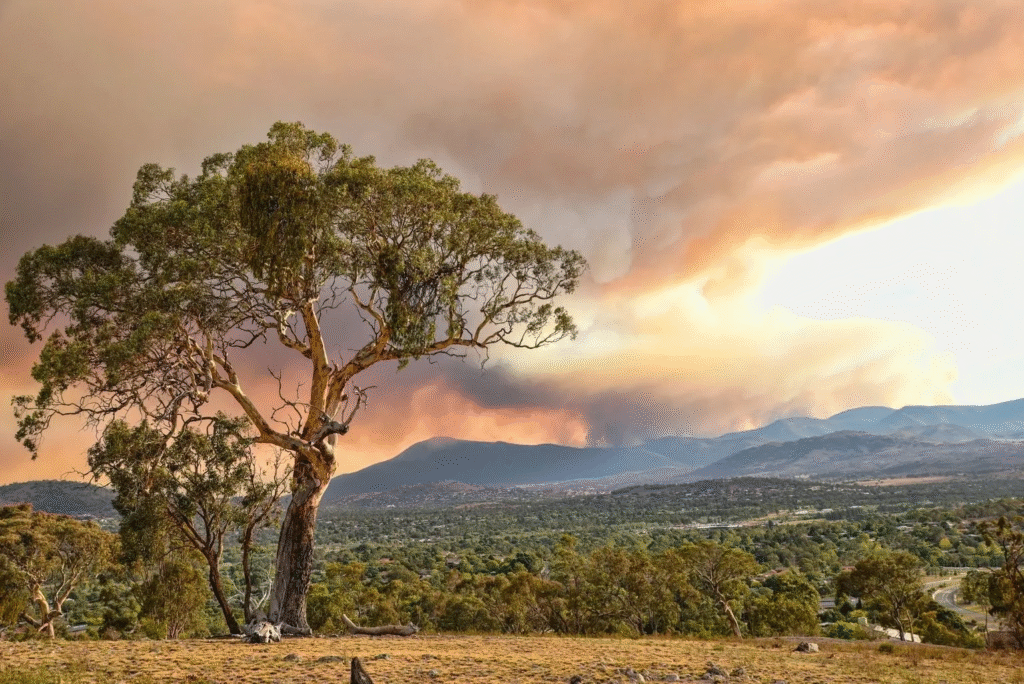
For property owners building or developing on bushfire-prone land, obtaining the correct bushfire documentation is an important part of the approval process. Understanding how to get BAL certificate Wollongong can help prevent unnecessary delays, reduce compliance issues, and keep your project moving forward.
A Bushfire Attack Level (BAL) Certificate is commonly required for complying development applications on bushfire-prone land. The certificate confirms the assessed BAL for the proposed development and verifies whether the development is eligible to proceed as complying development under the State Environmental Planning Policy (Exempt and Complying Development Codes) 2008.
For complying development on bushfire-prone land, the Codes SEPP requires confirmation that the proposed development is not located within BAL-40 or BAL-FZ. The BAL assessment is undertaken having regard to the relevant bushfire assessment methodology and construction standards, including AS 3959:2018 and Planning for Bush Fire Protection 2019 where applicable.
This guide explains the process step by step and highlights how Wollongong property owners can avoid common delays.
What Is a BAL Certificate?
A BAL (Bushfire Attack Level) Certificate is a bushfire assessment document prepared by a suitably qualified bushfire consultant. It identifies the BAL applicable to a proposed development based on factors such as:
- Vegetation type
- Distance from vegetation
- Land slope
- Bushfire hazard exposure
- Site conditions
The BAL rating helps determine the construction standards required for a building on bushfire-prone land. BAL ratings generally range from BAL-LOW through to BAL-FZ (Flame Zone). Higher BAL ratings typically require more stringent building measures.
When Do You Need a BAL Certificate?
A BAL Certificate may be required where proposed development is located on bushfire-prone land and is being assessed as complying development. This can include:
- New dwellings
- Alterations and additions to existing dwellings
- Secondary dwellings
- Certain Class 10a structures, such as garages, sheds, decks or cabanas
- Other works requiring a Complying Development Certificate (CDC)
The certificate confirms the assessed Bushfire Attack Level and whether the proposed development can proceed under the complying development pathway.
For CDC pathways, the assessment must demonstrate that the development meets the applicable bushfire requirements and is not located within BAL-40 or BAL-FZ.
If your project requires a Development Application (DA) rather than a CDC, a more detailed bushfire assessment report Wollongong may be required instead.
Step-by-Step BAL Certificate Process
Step 1: Confirm Whether Your Property Is Bushfire-Prone
The first step is to confirm whether your land is mapped as bushfire-prone land under the relevant council bushfire-prone land mapping.
Properties located near bushland, grassland, unmanaged vegetation, or other mapped bushfire hazard areas may require a bushfire assessment before a Complying Development Certificate or development approval can proceed.
Identifying this requirement early can help avoid delays and ensure the correct assessment pathway is followed from the start.
Step 2: Engage a Qualified Bushfire Consultant
One of the most common causes of delays is waiting too long to engage a qualified bushfire consultant.
For projects in bushfire-prone areas such as Bulli, Wollongong, the Illawarra, Sutherland Shire, Wollondilly and surrounding NSW locations, a suitably qualified BPAD Accredited Practitioner can assess the site, determine the relevant bushfire requirements, and confirm the appropriate assessment pathway for your project.
Engaging an experienced local consultant early can also help identify potential compliance issues before plans are submitted, reducing the risk of requests for additional information during the approval process.
Step 3: Arrange a Site Assessment
The consultant will conduct a detailed site inspection and collect information relating to:
- Existing vegetation classifications
- Separation distances
- Slope under vegetation
- Building location
- Site access arrangements
- Surrounding bushfire hazards
This forms the basis of the bushfire property risk assessment.
Accurate site information is essential because incorrect measurements or missing data can lead to reassessment requests and delays.
Step 4: Bushfire Risk Assessment Is Completed
The consultant then assesses the site using the methodologies required under Planning for Bush Fire Protection 2019 .
The assessment evaluates:
- Bushfire exposure
- Potential radiant heat impacts
- Ember attack risk
- Vegetation hazards
- Development suitability
The outcome determines the BAL applicable to the proposed development.
Step 5: BAL Rating Is Determined
Following the assessment, the property’s BAL rating is established.
Common BAL classifications include:
- BAL-LOW
- BAL-12.5
- BAL-19
- BAL-29
- BAL-40
- BAL-FZ
The determined rating influences the construction requirements applicable to the proposed building.
Step 6: Receive the BAL Certificate
Once the assessment is completed, the consultant issues the BAL Certificate where applicable.
The document generally confirms:
- Property details
- Assessment methodology
- Applicable BAL rating
- Compliance findings
This certificate can then be provided to your certifier or included within the approval process where required.
Step 7: Submit Documentation for Approval
The final step is lodging the certificate with the relevant approval authority or certifier as part of your development process.
Providing complete and accurate documentation from the beginning helps avoid requests for revisions and additional assessments.
Common Reasons BAL Certificates Get Delayed
Many approval delays are avoidable.
Some of the most common issues include:
- Incomplete Site Information
Missing plans, incorrect site details, or outdated documents can slow the assessment process. - Waiting Until the Last Minute
Property owners often request assessments shortly before submitting applications, leaving little time for revisions if required. - Changes to Development Plans
Modifying building footprints or locations after assessment may require updates to the report. - Incorrect Bushfire Documentation
Using the wrong report type can create confusion during the approval process.
For example, a BAL Certificate and a bushfire assessment report Wollongong may serve different purposes depending on the development pathway.
Tips to Get a BAL Certificate Without Delays
- Start Early
Engage a consultant during the planning stage rather than waiting until application lodgement. - Provide Complete Plans
Ensure site plans and development drawings are current and accurate. - Respond Quickly to Information Requests
Any requests for additional information should be addressed promptly. - Use Experienced Bushfire Professionals
Working with qualified consultants familiar with local bushfire planning requirements can help streamline the process. - Identify Potential Compliance Issues Early
Early assessment may highlight design adjustments that can be addressed before formal submissions.
Why Early Bushfire Assessment Matters
A pro-active bushfire property risk assessment provides more than just a BAL rating.
It can help:
- Identify development constraints
- Support project planning
- Reduce approval risks
- Assist designers and certifiers
- Improve compliance outcomes
By understanding bushfire requirements early, property owners can make informed decisions before significant design work is completed.
BAL Certificates and Development Applications
Many property owners are unsure whether they need a BAL Certificate or a bushfire assessment report.
Generally:
BAL Certificate
Often associated with complying development pathways where bushfire-prone land requirements must be satisfied.
Bushfire Assessment Report
A Bushfire Assessment Report is typically required for development applications on bushfire-prone land. The report assesses the proposed development against the requirements of Planning for Bush Fire Protection 2019 and is generally prepared to support assessment under section 4.14 of the Environmental Planning and Assessment Act 1979.
The appropriate bushfire document will depend on the type of development proposed and the approval pathway being used.
Choosing the Right Bushfire Consultant
When searching for a BAL Certificate or bushfire consultant near you, it is important to engage a suitably qualified consultant with experience in bushfire planning and assessment.
Resilient Bushfire Solutions provides bushfire assessment services across Bulli, Wollongong, the Illawarra, Sutherland Shire, Wollondilly and surrounding NSW areas.
- A suitably qualified bushfire consultant can assist by:
- Assessing the site against the relevant bushfire requirements
- Determining the applicable BAL rating
- Identifying the correct approval pathway
- Preparing clear documentation for CDC or DA submission
- Helping reduce avoidable delays during the approval process
Engaging a local bushfire consultant early can help identify potential issues before plans are submitted and ensure the correct bushfire documentation is prepared for your project.
How Resilient Bushfire Solutions Assists Wollongong Property Owners
Resilient Bushfire Solutions provides bushfire assessment services for property owners across Wollongong and surrounding areas.
The focus is on delivering practical bushfire assessment outcomes that align with Planning for Bush Fire Protection 2019 requirements and project-specific approval pathways.
Whether a project requires a BAL Certificate or a more detailed bushfire assessment report Wollongong, obtaining the correct assessment early can help keep the approval process moving efficiently.
Conclusion
Understanding how to get BAL certificate Wollongong is essential for property owners planning development on bushfire-prone land.
The process generally involves:
- Confirming bushfire-prone status
- Engaging a qualified consultant
- Completing a site inspection
- Undertaking a bushfire property risk assessment
- Determining the BAL rating
- Receiving the required documentation
- Submitting it as part of the approval process
Starting early, providing accurate information, and working with experienced professionals can significantly reduce delays and help ensure compliance with applicable bushfire planning requirements.